CORKY STORIES.
Once guarded something precious. A cork is a small thing. Yet it protects something that took years to become. Time. Labor. Patience. I am fascinated by their textures, stains, scars... Stories.
By placing it out of context, I ask you to pause. To look again.
Nothing is ever just a simple object.
THE DREAMPHOGRAPHY ONLINE EXHIBITION.
Before we start. Here some music that inspired me while creating this series. Play it!

SPONSORED BY
•
SPONSORED BY •
THE DREAMPHOGRAPHY ONLINE EXHIBITION.
Hi there, and welcome.
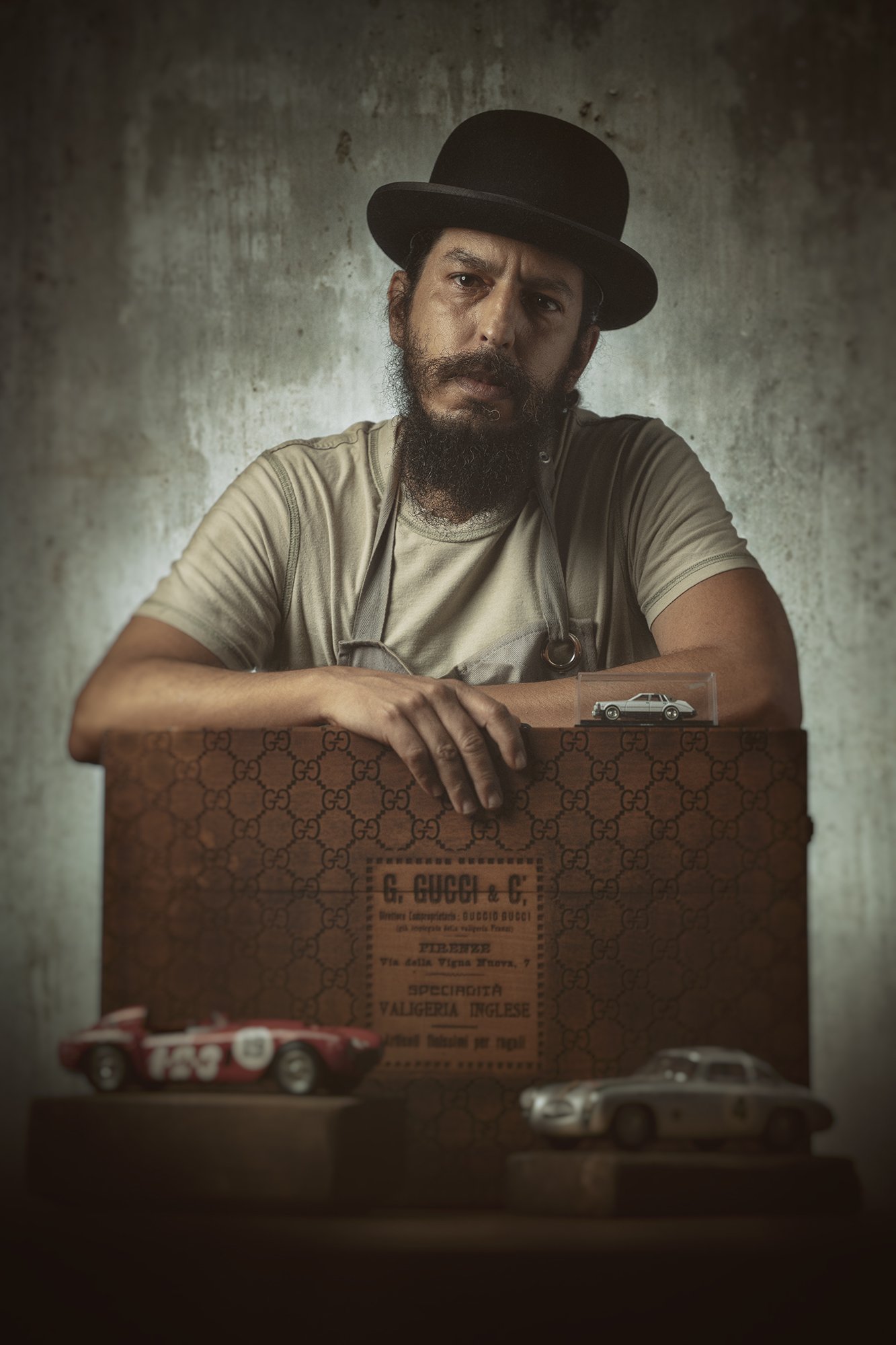
I created The Dreamphography Online Exhibition as a space to share my latest fine art pieces in a more intimate way. Here I share the stories behind the work, what inspired it, how it was created, and the tools and processes that brought the ideas to life.
It’s a place to slow down and see the images in higher resolution and greater detail than on social media.
The exhibitions are temporary. The artworks are limited. Access is by invitation for subscribers only.
Enjoy. / Felix Hernandez.
CORKS!
I don’t know where my fascination with miniatures comes from and even less my attraction to corks. Maybe it’s something acquired. Something that grew quietly inside me, shaping the way I see objects and situations. Macro.
I don’t believe anything is truly simple. When we zoom in, we discover the complexity within the ordinary. And when we look closer, we begin to see its beauty.
Choosing a cork depends on many things… My mood. A memory. A person. Sometimes it’s the color, the shape, the scars. Sometimes it’s a cork someone sent me, asking me to create something with it.
What happens next is instinctive. The stories emerge from dreams, from thoughts that arrive without warning. I don’t overthink them. The corks and their stories blends with mine and lead the way.
In this first edition of “Corky Stories”, I present three narratives. Each inspired by different moments in my life:
A hangover after a long night of conversation and wine with a close friend… Amigochooooo!
A childhood memory of reading Gulliver’s Travels.
And reflections on work, discipline, and effort.
So here are those first three little stories…
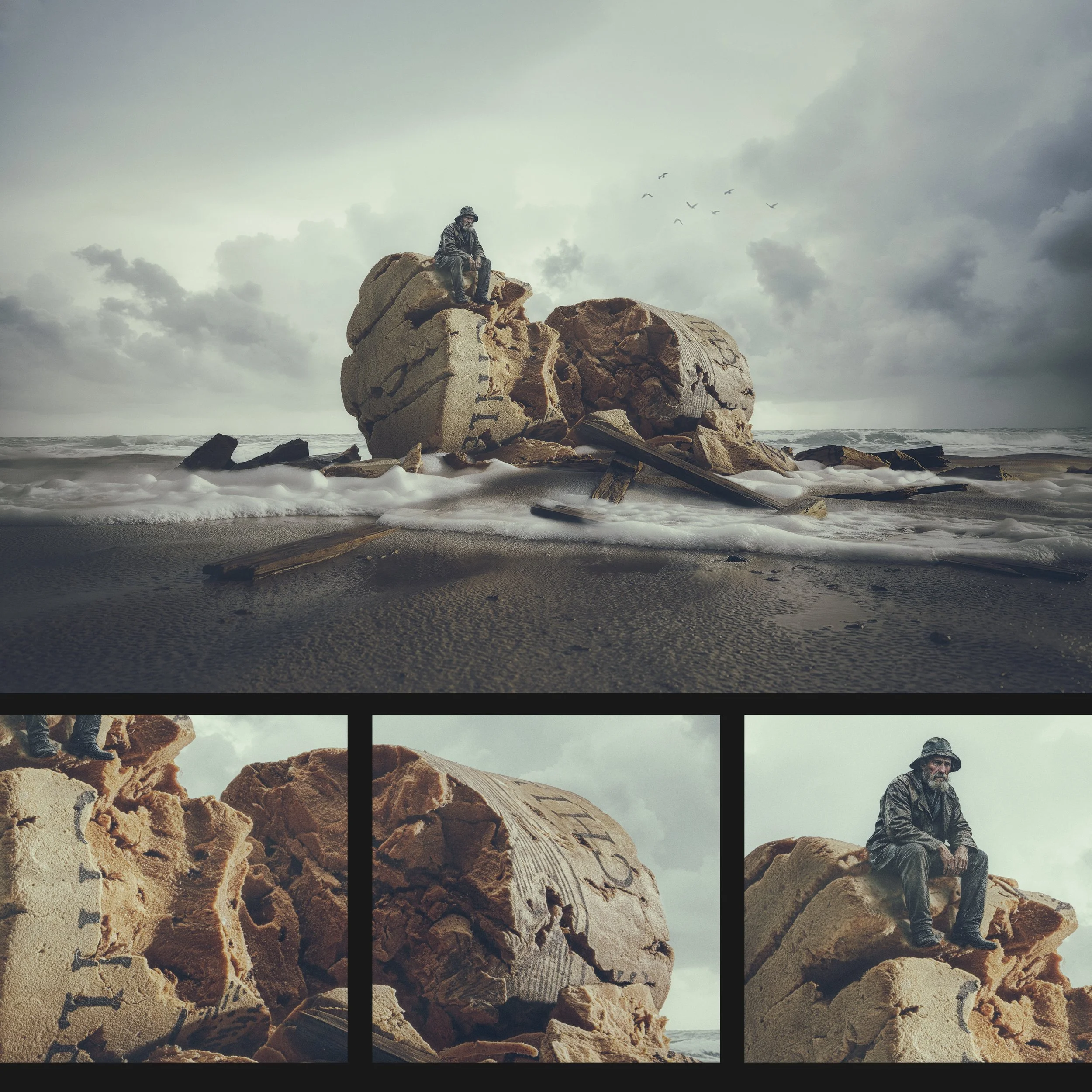
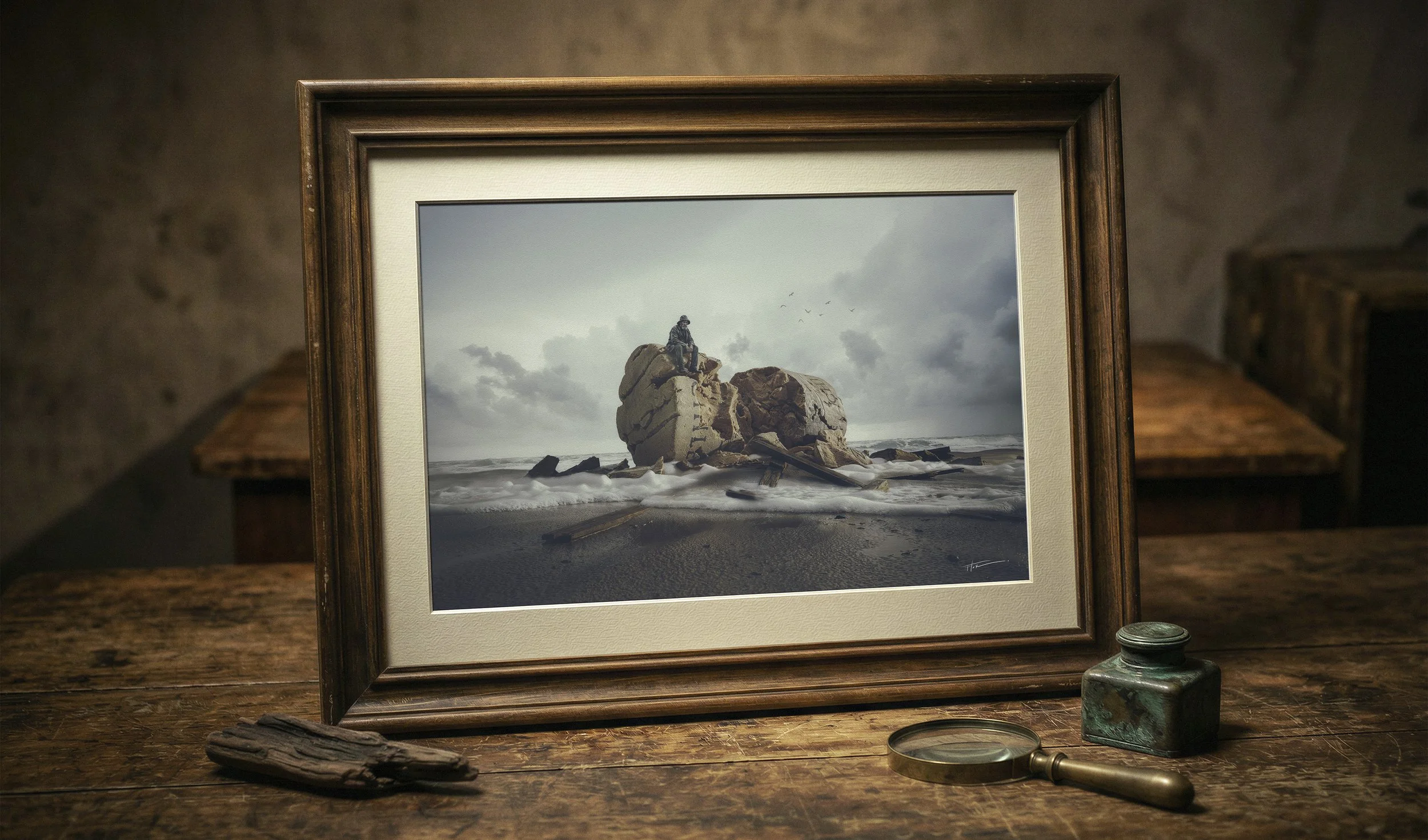
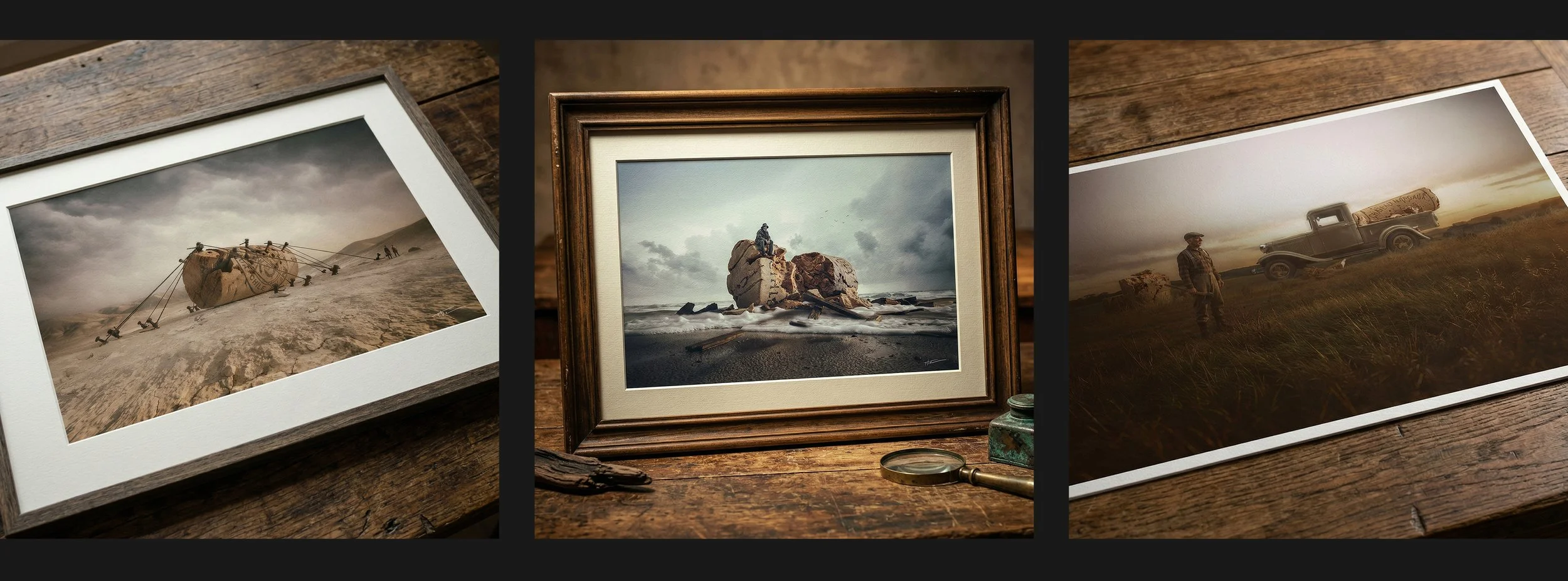
Cork Wreck.
Almost at sunrise, after a heavy night of drinking, I woke up suddenly — unsure whether I was truly awake or still alive. A bitter-sour taste lingered in my mouth. Dry as the desert. My head spinning, heavy as stone… I felt like a castaway.

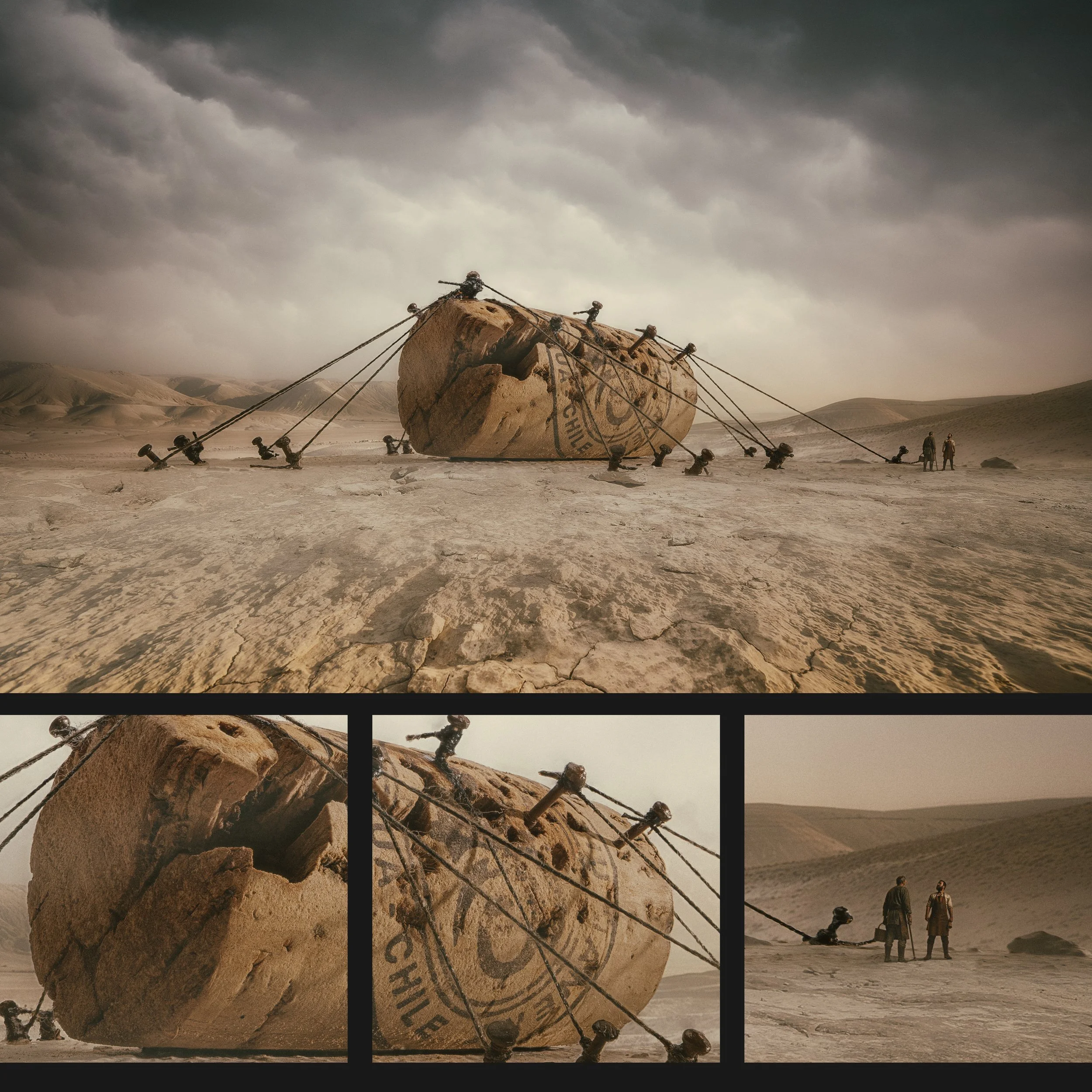
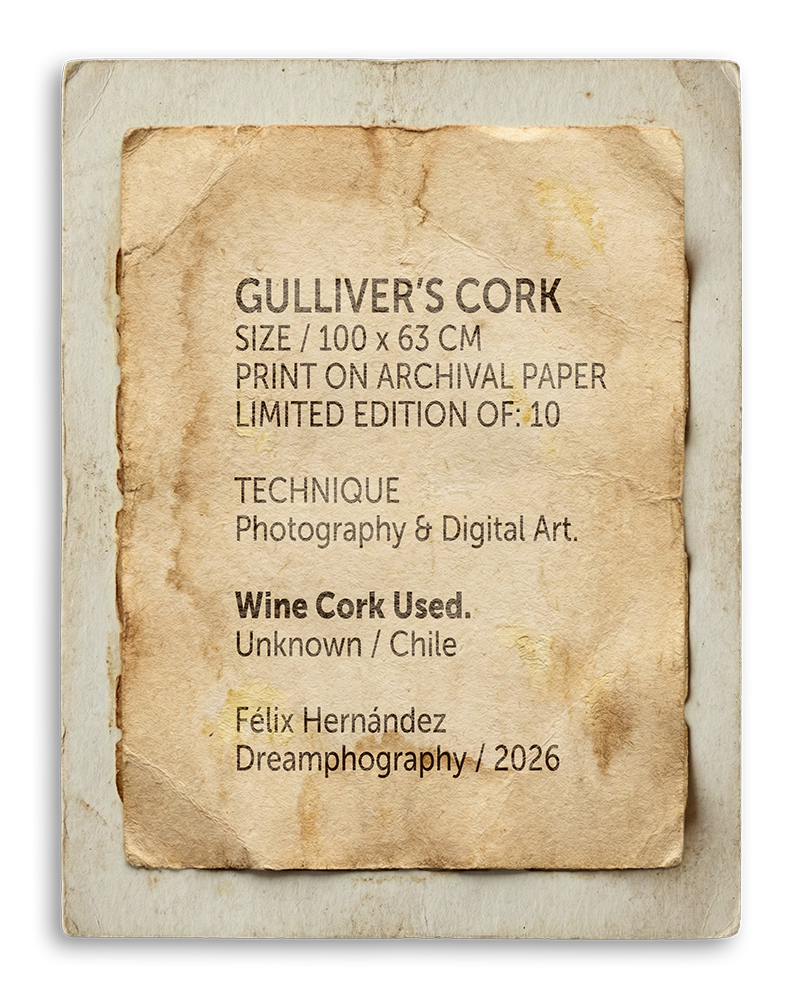
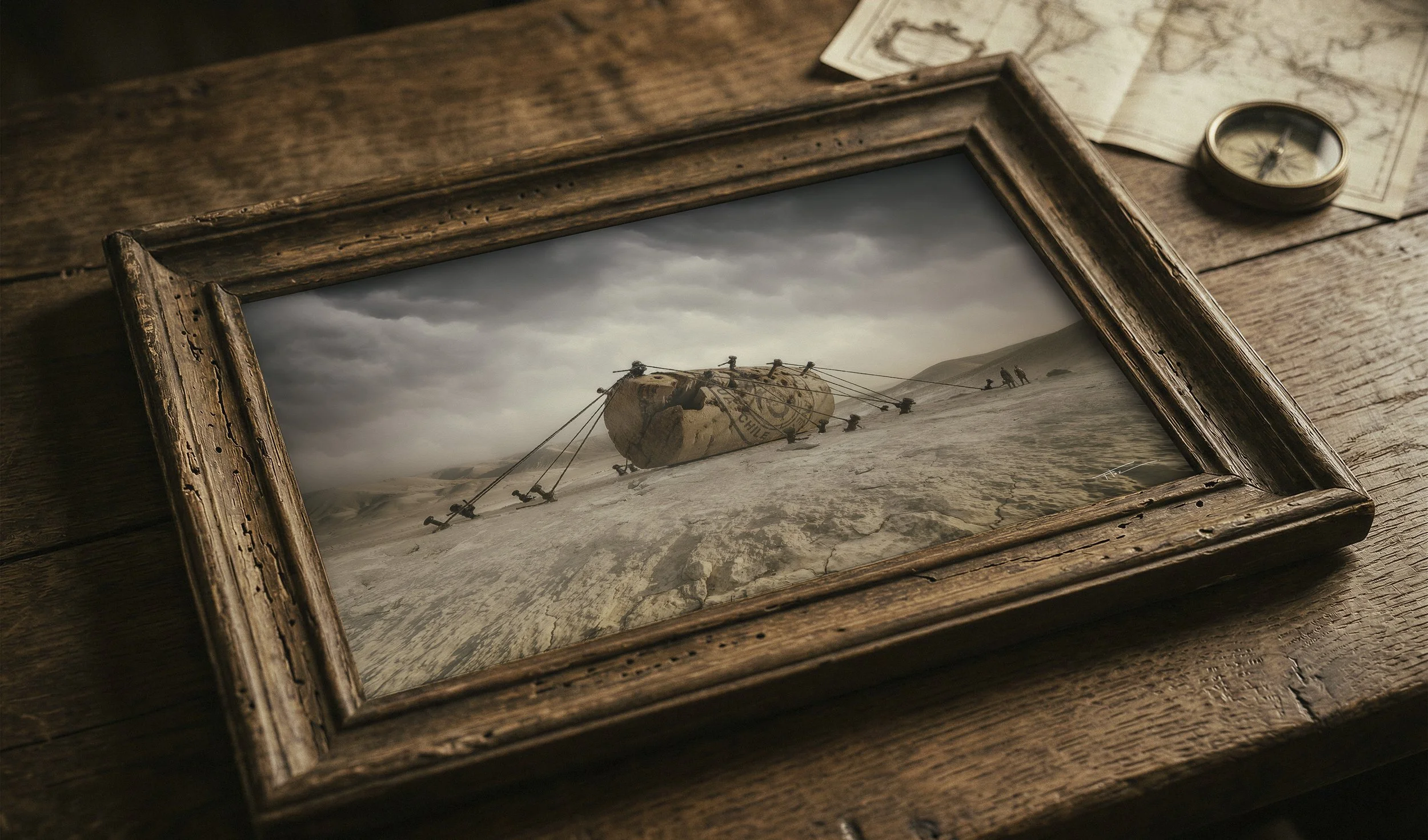
Gulliver’s Cork.
When I was a child, I believed the world was full of secrets. (still do). Hidden kingdoms in the smallest corners. I would imagine tiny hands pulling ropes, giant seas made of rugs. An ordinary object could become an entire landscape. A cork, a mountain. A thread, a bridge. Somewhere in those quiet inventions, my way of seeing the world began.

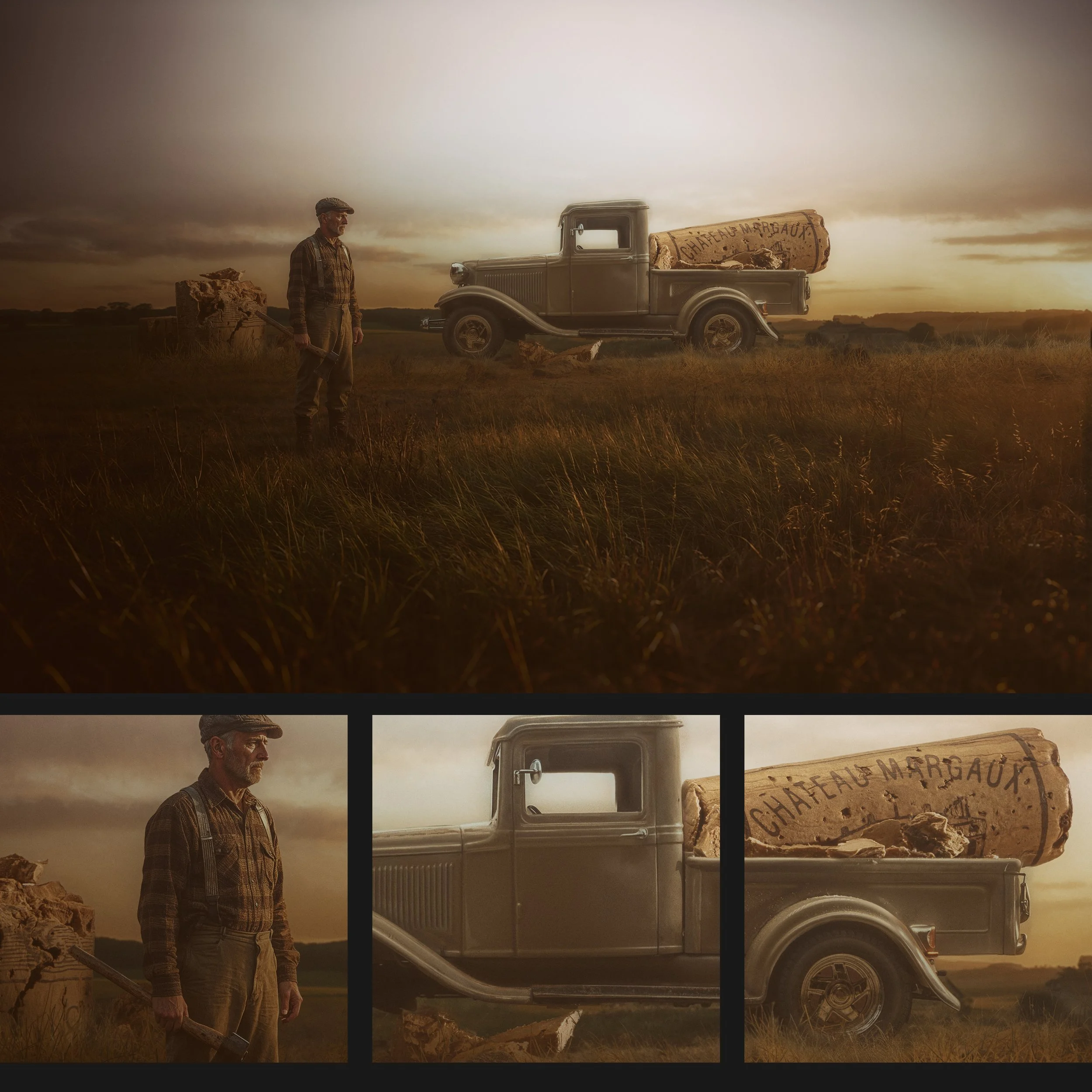
Grand Cru.
Some dreams don’t arrive with applause. They arrive with dirt under the nails. Long days. Quiet effort. The sound of steel against wood. What looks effortless from afar was once heavy in someone’s hands. Excellence is not found. It is harvested.
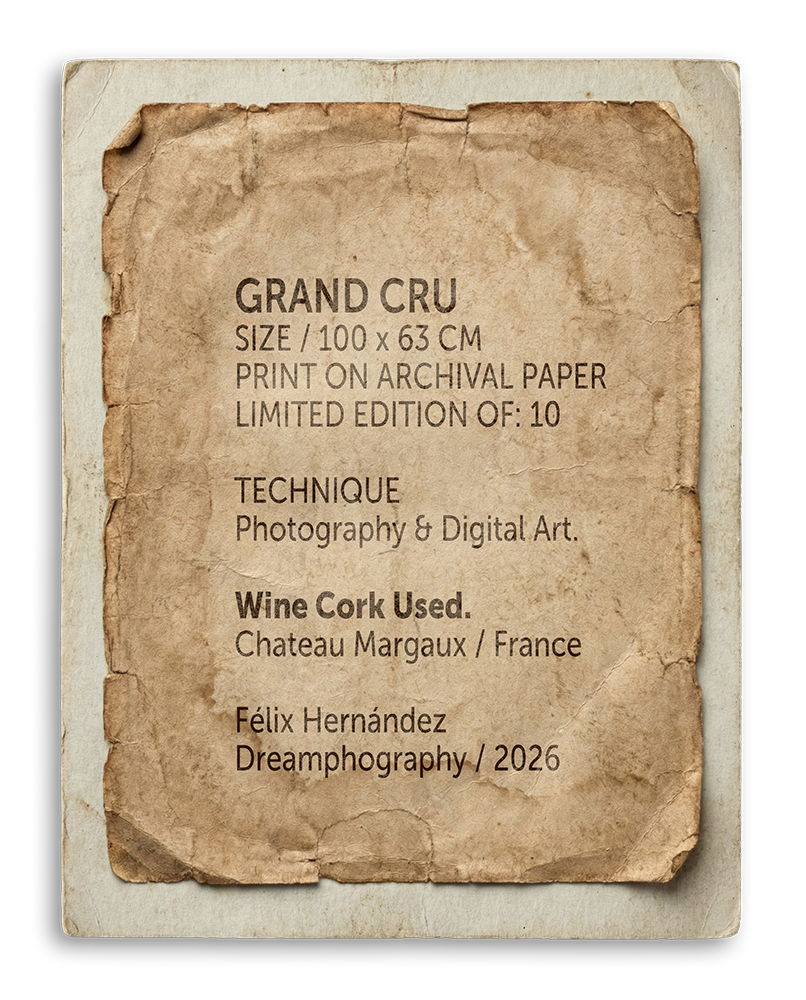
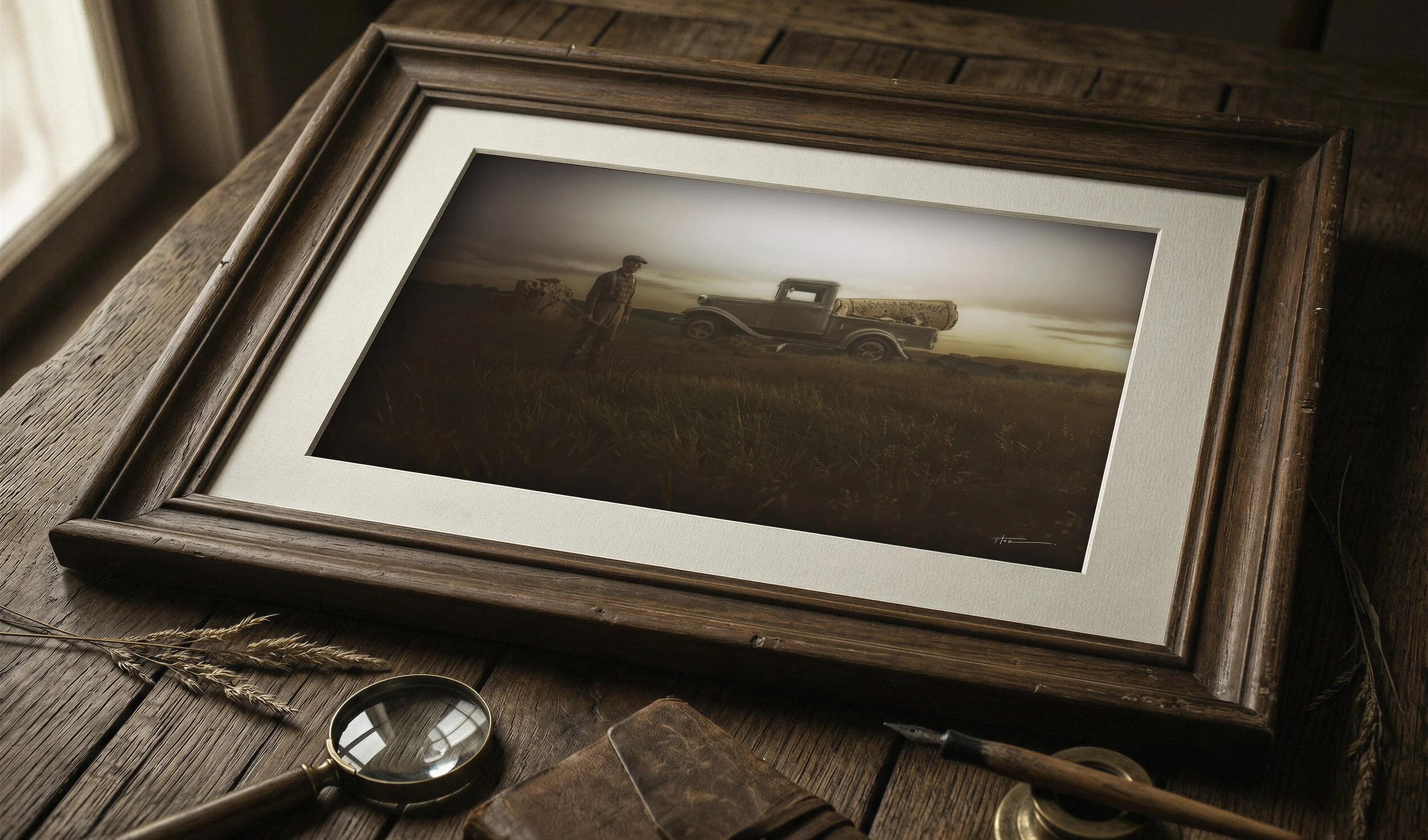

The Artwork.
If one of these pieces resonates with you, they are available as fine art prints. Each artwork is a limited edition of 10. Signed and printed on museum-quality archival matte fine art paper, in “collector’s” format: 100 x 63.5 cm (39 x 25 inches) so you can really appreciate the details and scale.
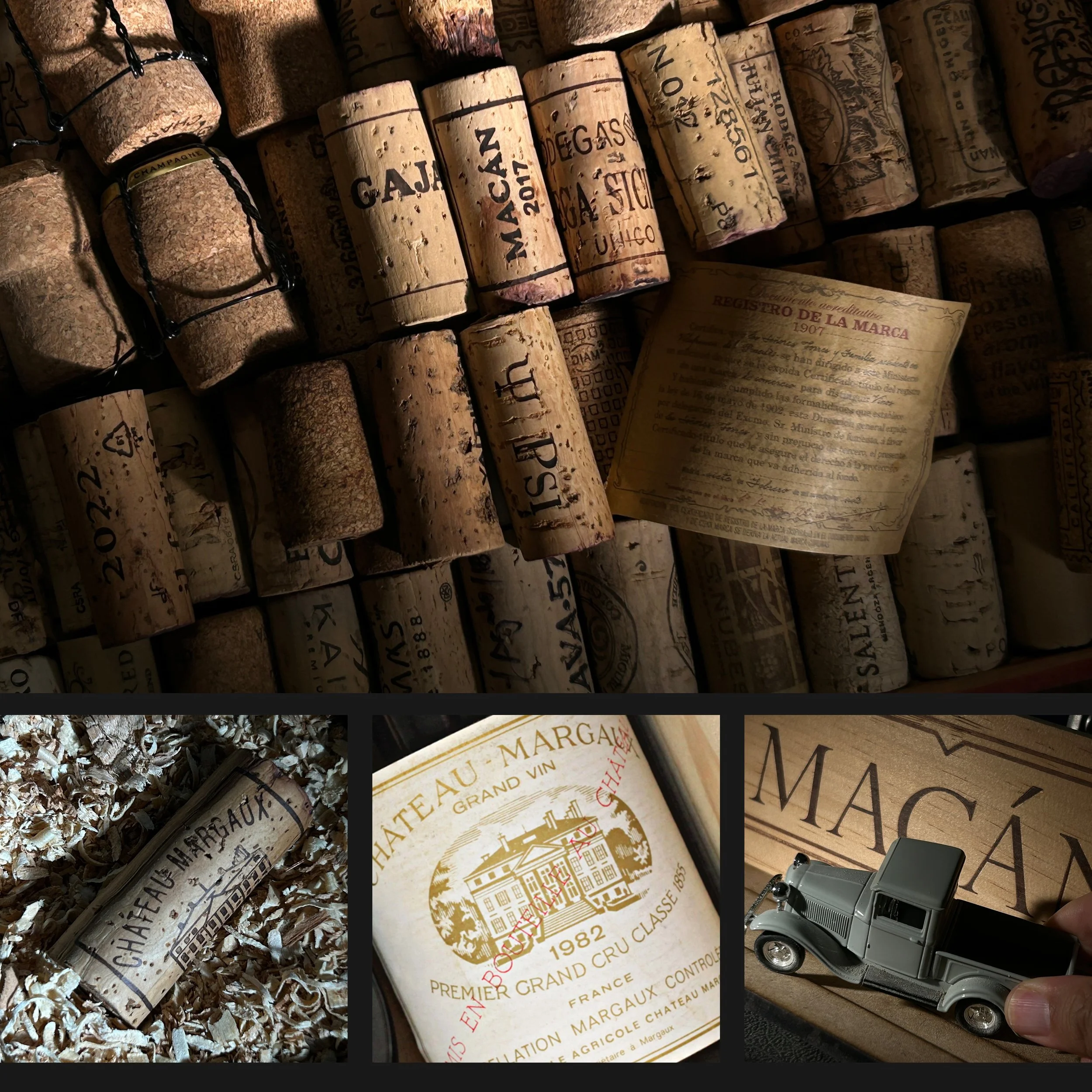
Over the years, I have kept corks.
I love wine, but more than that, I love what surrounds it. The conversations. The silence. The moments.
Some corks come from bottles shared with family or friends. Others from nights spent alone. A few were sent to me by friends and clients. Wines I never tasted, yet still carry their stories.
Each cork holds layers of time: The vineyard. The hands that made the wine. The table where it was opened.
And the cork itself… its texture, its cracks, its stains, its marks. The way it absorbs and reflects light. It evokes warmth. Nostalgia. Fire. Company and solitude.
What many see as a simple object, I see as a character. Shaped by time and full of history.
The Cork Itself.
The process behind my images can vary from one piece to another. But most of the time, I blend different disciplines: miniature art, photography, and digital art. Within each of these, I apply specific techniques depending on the goal.
When working with small objects, my intention is usually to make them appear much larger than they are. To achieve this, I use a technique called focus stacking, followed by a focus merge in post-production.
Focus stacking is done in-camera by capturing a series of photographs at different focal points. This allows me to create extreme depth of field, so the entire object is perfectly sharp from front to back. In post-production, all of these images are merged into a single, fully defined photograph.
When our brain sees a small object completely in focus, it perceives it as larger. The smaller the object — and the closer I get — the more images are required. Typically, I shoot between 35 and 70 photographs to achieve the final result.
The Creation Process.
About Digital Art.
This is where everything comes together. I use Affinity Studio for my entire digital workflow. It allows me to process RAW files, perform focus merging, create precise selections, add skies or characters, paint details, insert text, and complete color grading.
It’s the key piece that connects my analog process with the digital.
For this particular series I blended in post the photos I took of the different cork scenes. Focus merging all the individual photos for having a perfectly sharp image. Then I used a mix of stock photos, my own landscape photos, generated ai textures and characters and painted with digital brushes to create the final image. Then all the different elements are tighten through the process of color grading.
At the end these set of images are a mix of disciplines and techniques, blending the analog and digital media (A mix media); Photography, miniature art, practical effects, ai generated characters and digital art.
And for those looking for powerful image-processing software…
Affinity Studio is completely free.
Digital Art Hardware.
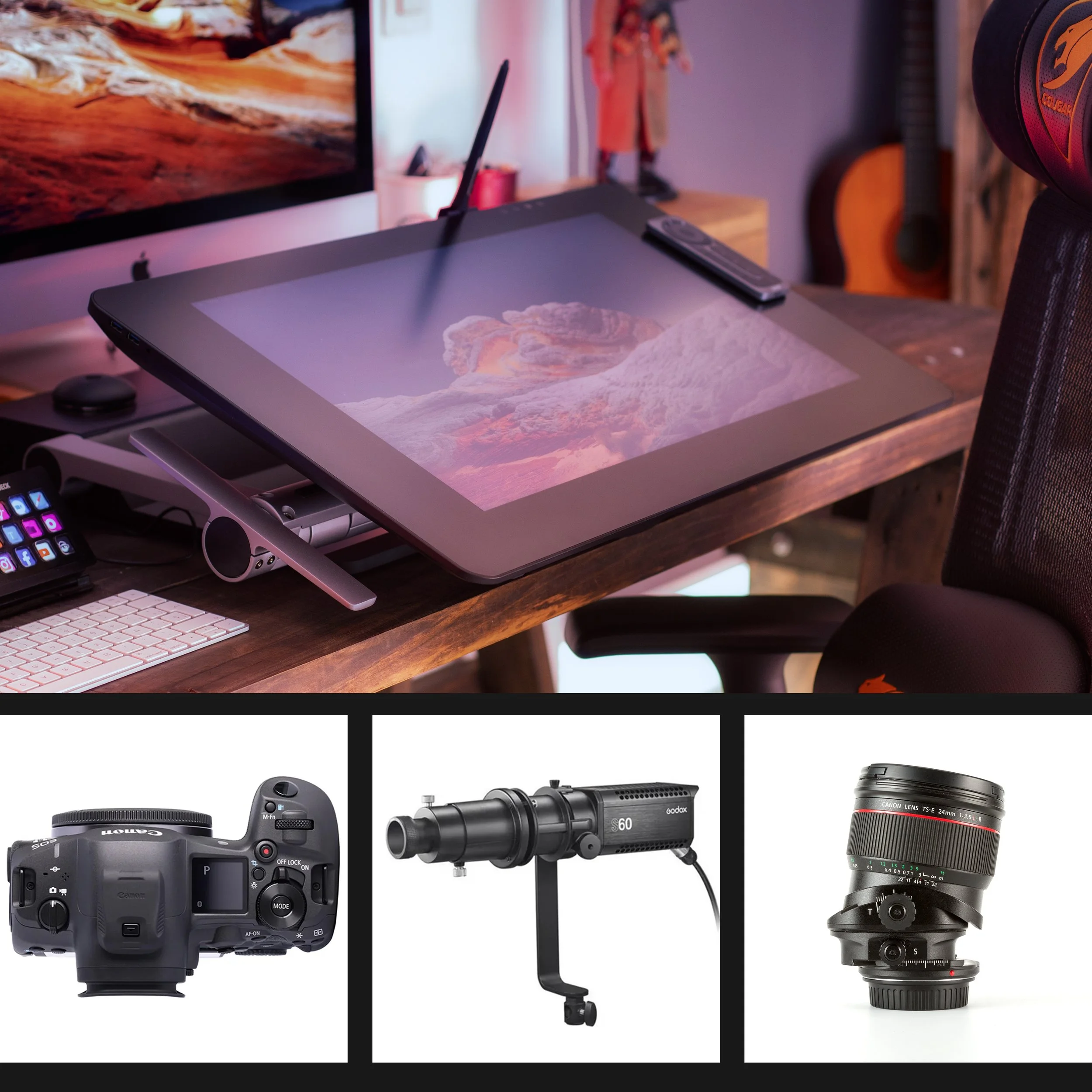
For many years, I’ve worked with graphic tablets and interactive displays from Wacom. These allow me to draw, retouch, mask, and manipulate pixels directly on screen using a digital pen. The experience feels much more natural (similar to working with paper and pencil) allowing greater precision and fluidity.
Once you get used to it, the mouse stays in a drawer.
The Lens.
I use a Canon 24mm TS lens. It is not a macro lens, but it allows me to get close enough while maintaining a wide-angle perspective. This helps keep the entire miniature scene within the frame and gives the impression of an open environment.
The tilt-shift functionality also allows me to control depth of field creatively and achieve low angles with minimal distortion. It is a manual focus lens, which works perfectly with the focus stacking technique.
The Camera.
Not because I am an ambassador. Not because Canon is a sponsor. I began my photographic journey with a Canon in my hands.
Over the years, I’ve worked with many of their models. Today, I use one of their most recent 35mm mirrorless cameras: the Canon R5 M II.
Lighting.
Lighting is essential. Light tells the story. It sets the tone. It defines both the scene and the object.
Since I work with inanimate subjects in a controlled studio environment, I use continuous LED lighting to have full control over direction and intensity. I work with different models from Godox, including one of my favorites: the Godox S60. These are focusable lights that allow the use of lenses and modifiers, giving me precise control over how and where the light falls.
So… I see you’ve reached the end.
CHEERS & THANK YOU!
Thank you for being here.
For taking the time to slow down, to look closer, and to share this space with me.
I would love to read your thoughts on this. If you want to share something you can do it HERE.
This exhibition may be temporary but the journey continues.
Until next one.
Felix